

SYMPTOMS
Healthy Life Essentials
Whatever Your Symptoms Look Like
Discover what better health feels like.
Symptoms can look and feel different for everyone. They may be physical, emotional, occasional or persistent. Some are easy to describe; others leave you feeling that something is not quite right.
At Healthy Life Essentials, symptoms are treated as signals worth listening to - not complete answers and not a diagnosis. By looking at the wider context, you can begin to understand the factors that may be influencing how you feel and identify practical steps towards better health.
Why Every Symptom Looks Different.
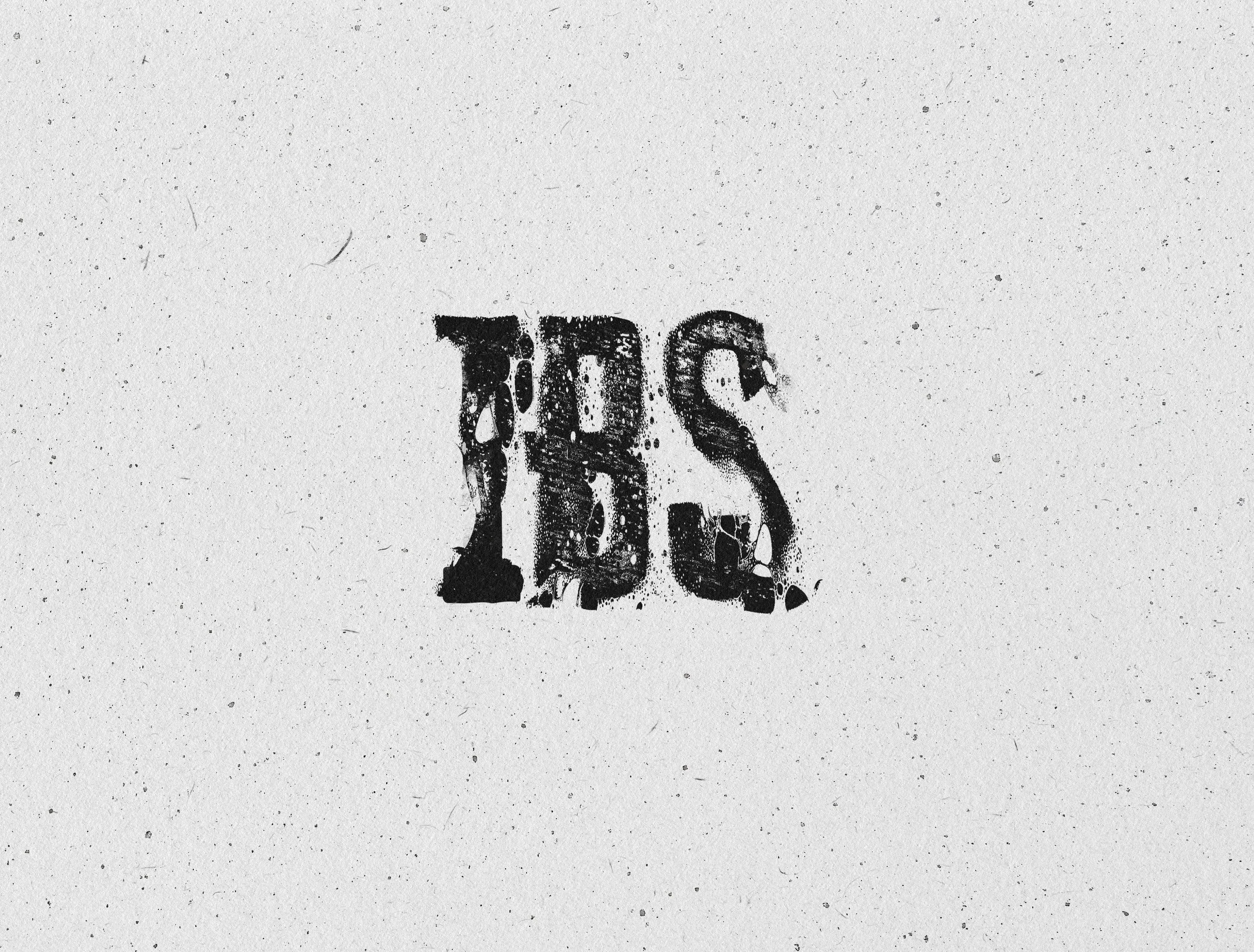
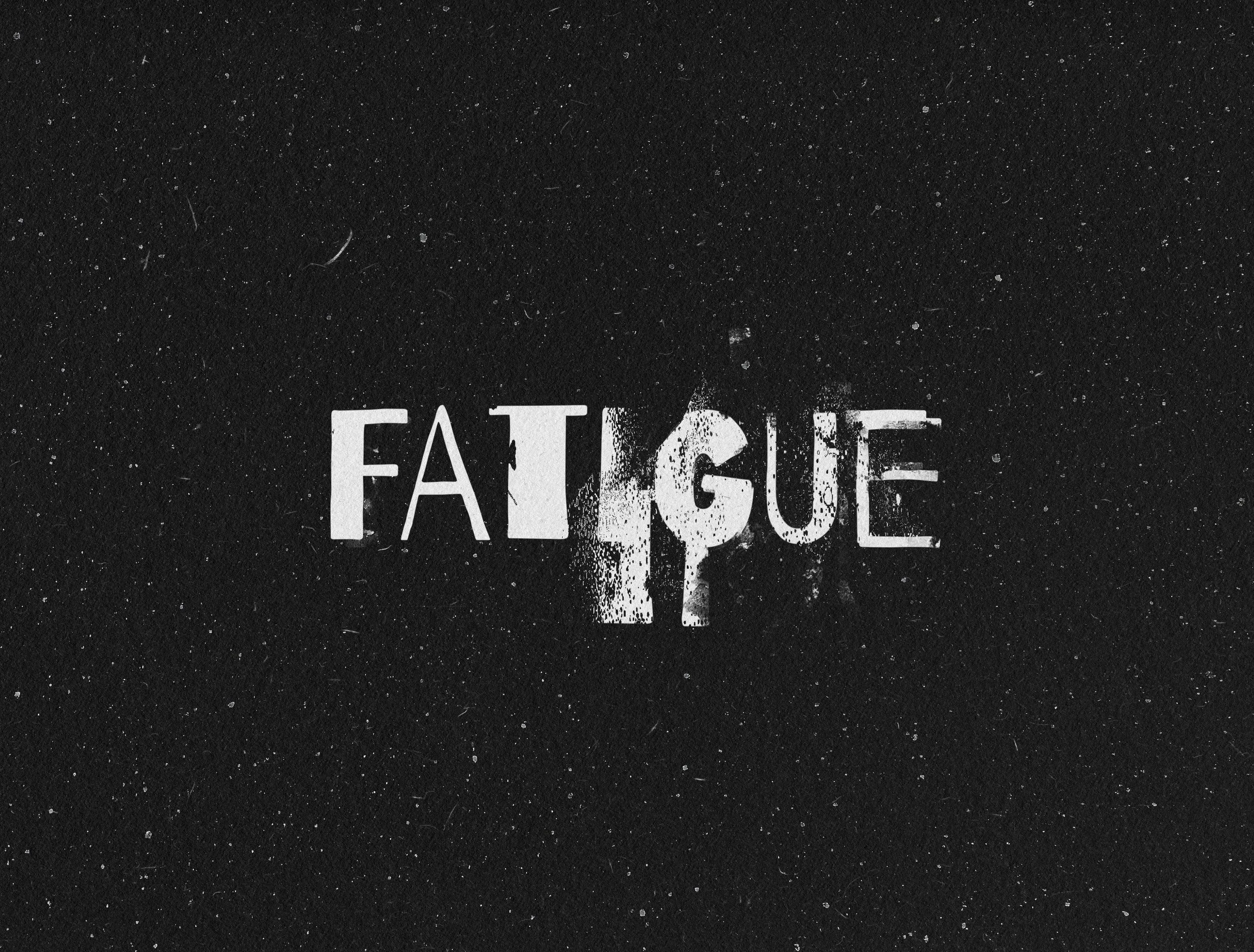
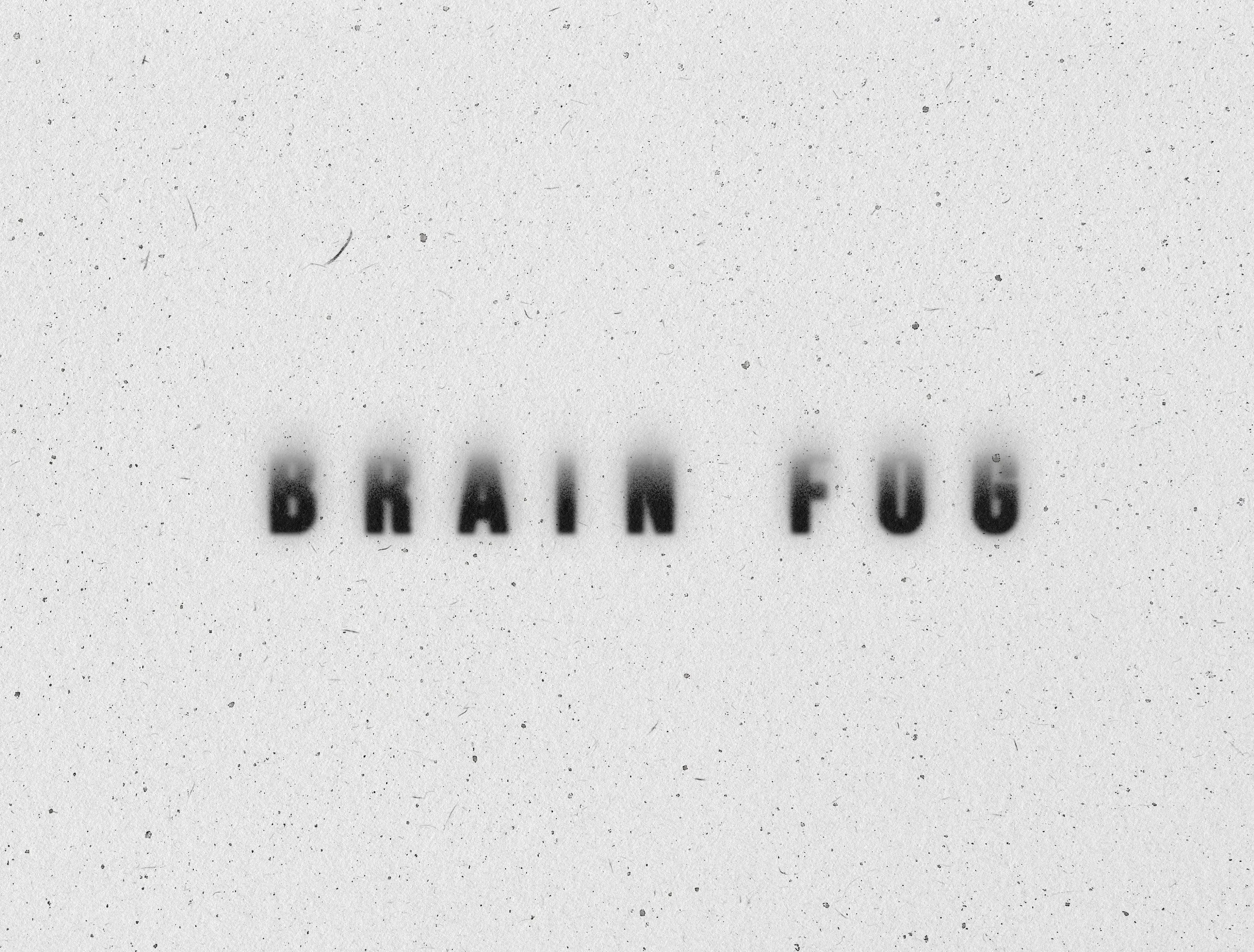
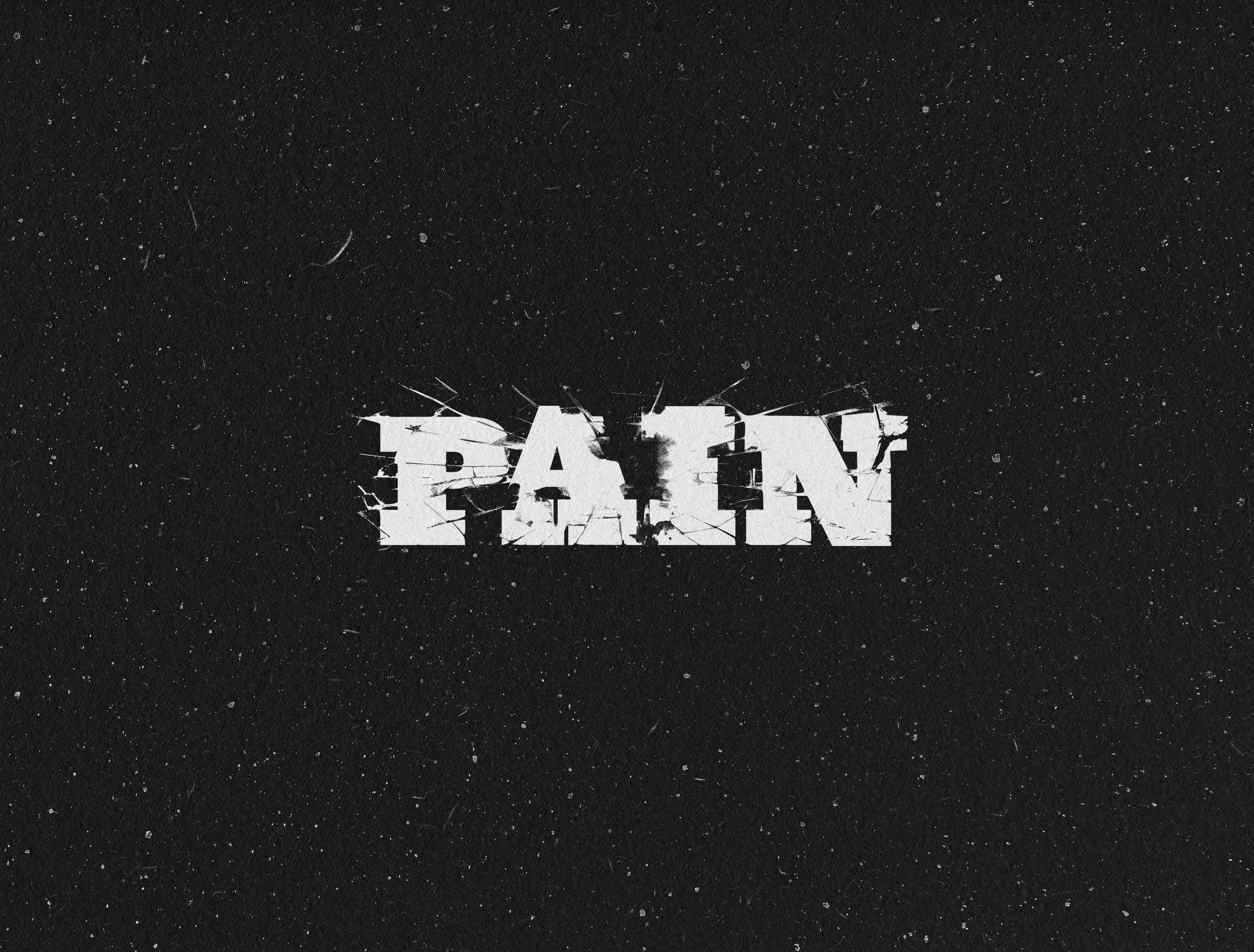
The campaign represents each symptom in a different visual way because no two experiences are identical. IBS may feel disruptive and unpredictable. Fatigue can make every task feel heavier. Brain fog may blur your focus, while anxiety can make the world feel difficult to switch off.
The symptom word is only the beginning. Your history, routines, responsibilities, environment and health all shape the experience behind it.

-
IBS can involve bloating, abdominal discomfort and changes in bowel habits. Symptoms vary widely and can be influenced by food patterns, gut sensitivity, stress, sleep and other individual factors.
-
Regular meals, eating slowly, adequate hydration, gentle movement, stress management and a simple food-and-symptom record may help identify useful patterns. Avoid making highly restrictive dietary changes without qualified guidance, and speak with a GP if symptoms are persistent or undiagnosed.

-
Ongoing fatigue is more than an occasional tired day. Sleep quality, stress, nutrition, hydration, activity levels, medications and health conditions can all play a part.
-
Begin with regular sleep and wake times, balanced meals, hydration, daylight and manageable movement. Persistent or unexplained fatigue should be discussed with a GP so medical causes can be properly assessed.
-
Brain fog is a common way to describe difficulty concentrating, remembering or thinking clearly. It may be associated with poor sleep, stress, dehydration, inconsistent nutrition, hormonal changes, medication or illness.
-
Regular meals, eating slowly, adequate hydration, gentle movement, stress management and a simple food-and-symptom record may help identify useful patterns. Avoid making highly restrictive dietary changes without qualified guidance, and speak with a GP if symptoms are persistent or undiagnosed.

-
Pain that continues or returns can affect movement, sleep, mood, work and relationships. Ongoing pain is complex and may involve the body, nervous system, stress, injury, illness and previous experiences
-
Appropriate medical assessment comes first. Depending on the cause, paced movement, good sleep, stress support, nourishing food and guidance from relevant health professionals may help you manage daily life more effectively.
-
Dryness, irritation, breakouts, rashes and other skin changes can have many possible causes. Skin care, allergies, environment, stress, hormones, nutrition, medication and health conditions may all be relevant.
-
Use a gentle skin routine, stay hydrated, protect your skin from excessive sun exposure and notice any links with stress, products or daily habits. Persistent, painful or changing skin concerns should be assessed by a GP or dermatologist.
-
Anxiety can affect thoughts, breathing, sleep, digestion, muscle tension, concentration and energy. It can feel different for everyone and deserves to be taken seriously.
-
Slow breathing, regular meals, movement, sleep routines, reducing excess caffeine and staying connected with supportive people can form part of a broader plan. Health coaching may support healthy routines, but it does not replace care from a GP, psychologist or other mental health professional.
Need graphic
-
Menopause is a natural life stage, but the experience is highly individual. Sleep disruption, hot flushes, mood changes, brain fog, discomfort and changes in energy or body composition can affect everyday wellbeing.
-
Use a gentle skin routine, stay hydrated, protect your skin from excessive sun exposure and notice any links with stress, products or daily habits. Persistent, painful or changing skin concerns should be assessed by a GP or dermatologist.
-
Weight is influenced by more than willpower. Food access and habits, movement, sleep, stress, hormones, medications, health conditions, environment and life stage can all contribute.
-
Focus on sustainable routines rather than extreme restrictions: regular nourishing meals, enjoyable movement, sleep, hydration and realistic goals. Personalised advice from a GP or accredited practising dietitian may be important when medical or nutritional needs are involved.
Look Beyond the Symptom
You are more than one symptom, and better health may look different for you than it does for someone else. Healthy Life Essentials can help you understand your everyday foundations, decide where to begin and take practical steps towards feeling better.
Disclaimer
The information on this site is general and is not a diagnosis or treatment plan. New, severe, persistent or worsening symptoms should be assessed by an appropriately qualified health professional. Seek urgent medical help for symptoms that are sudden, severe or potentially life-threatening.